


What to Eat (and Avoid) During Chemotherapy
Chemotherapy is a powerful treatment for cancer, but it can also cause significant side effects, including nausea, fatigue, and changes in appetite. The good news is that your diet can play a crucial role in managing these symptoms and helping your body recover. Here’s what you need to know about what to eat (and avoid)…
 Aaron Kim - Cancer Research Analyst (PhD Candidate)
Safe Exercises During Cancer Treatment: Stay Active Without Overdoing It
Exercise during cancer treatment may seem like the last thing on your mind, especially when dealing with side effects like fatigue, nausea, or pain. But the truth is that staying active during treatment can have profound benefits for your body and mind. It can help reduce fatigue, improve mood, and even boost the immune system….

Coping With Fatigue During Radiation Therapy: Simple Daily Habits
Fatigue is one of the most common and challenging side effects of radiation therapy. It’s a persistent sense of tiredness that doesn’t improve with rest and can make daily tasks feel overwhelming. While fatigue can vary in intensity, it’s important to understand that it’s a normal part of cancer treatment. The good news is that…

Managing Nausea and Appetite Changes During Treatment
Nausea and appetite changes are two of the most common and challenging side effects of cancer treatments like chemotherapy, radiation, and immunotherapy. These symptoms can make eating and maintaining your strength difficult, but there are many strategies you can use to manage nausea and improve appetite during treatment. In this blog, we’ll explore practical tips…

Mental Health During Cancer Care: 7 Tips to Reduce Anxiety
A cancer diagnosis brings emotional challenges just as much as physical ones. Anxiety, depression, and fear about the future are common reactions, but it’s essential to acknowledge and address them during your cancer journey. Focusing on your mental health is just as important as physical care — it can boost your ability to handle treatment…

Why Sleep Matters So Much in Cancer Recovery
Sleep is essential for everyone, but it becomes even more important during cancer treatment and recovery. The physical and emotional demands of treatment can leave you feeling drained, and getting enough quality sleep is one of the best ways to help your body heal and stay strong. Let’s explore why sleep is so crucial during…

Skin and Hair Care During Chemotherapy: Gentle Routines That Help
Chemotherapy can bring a variety of side effects, including dry skin, rashes, and hair loss. While these changes are temporary for most patients, they can be distressing and affect self-esteem. The good news is that gentle care routines can help protect your skin, maintain hair health as much as possible, and make treatment more comfortable….

Hydration Tips Every Cancer Patient Should Know
Staying hydrated is crucial during cancer treatment. Dehydration can worsen fatigue, nausea, and treatment side effects, and it can make it harder for your body to recover. Chemotherapy, radiation, and other treatments can increase fluid loss or make it difficult to drink enough, so being intentional about hydration is essential. Here’s how cancer patients can…

Colon Cancer Symptoms: Early Clues Most People Miss
Colon cancer — also called colorectal cancer — often develops quietly. In its early stages, there are few or no symptoms, which is why it’s sometimes called a “silent” cancer. Yet here’s the hopeful truth: when caught early, colon cancer is highly treatable, and survival rates exceed 90%. Let’s uncover the signs, risk factors, and…
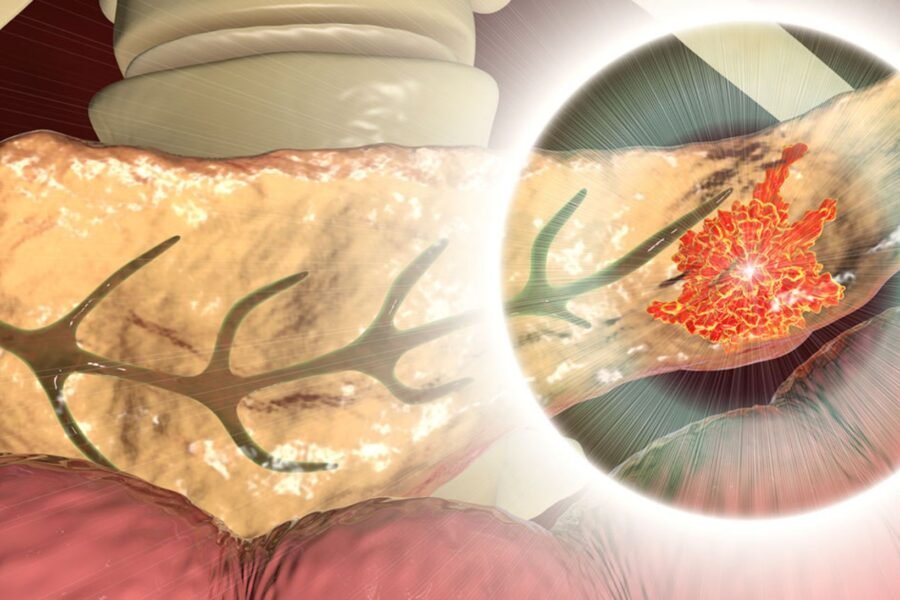
Why Pancreatic Cancer Is So Hard to Detect (and What’s Changing)
Pancreatic cancer is one of the most challenging cancers to diagnose early — and that’s what makes it so dangerous. While it accounts for only about 3% of all cancers, it’s the third leading cause of cancer-related deaths in the U.S. Here’s the tricky part: most people don’t experience noticeable symptoms until the cancer has…
- 1
- 2