Colon cancer — also called colorectal cancer — often develops quietly.
In its early stages, there are few or no symptoms, which is why it’s sometimes called a “silent” cancer.
Yet here’s the hopeful truth: when caught early, colon cancer is highly treatable, and survival rates exceed 90%.
Let’s uncover the signs, risk factors, and screening options that can help you stay one step ahead.
What Is Colon Cancer?
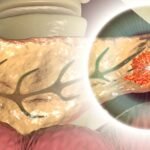
Colon cancer begins in the large intestine (colon) or rectum — both key parts of your digestive system.
Most cases start as polyps, small growths that form on the inner wall of the colon. Over time, some polyps can turn cancerous.
The good news? These can often be detected and removed before they become dangerous through routine screening.
5 Early Clues You Shouldn’t Ignore
Symptoms can sneak up slowly, and many people mistake them for something harmless — like indigestion or hemorrhoids.
But if these persist for more than a few weeks, it’s worth checking with your doctor.
1. Persistent Changes in Bowel Habits
Ongoing diarrhea, constipation, or a feeling that you’re not fully emptying your bowels could signal something more than a stomach bug.
2. Blood in Stool
Bright red or dark, tar-like stools may point to bleeding in the colon. Even small amounts of blood shouldn’t be ignored.
3. Unexplained Fatigue or Weakness
Losing iron through internal bleeding can lead to anemia — leaving you unusually tired, pale, or short of breath.
4. Abdominal Pain or Cramping
A dull ache, bloating, or persistent discomfort in the lower abdomen may be an early sign that something isn’t right.
5. Unexplained Weight Loss
Dropping pounds without changing your diet or exercise routine is one of those clues worth investigating.
Here’s the tricky part: symptoms often don’t appear until the cancer has grown — that’s why screening is key.
Who’s at Risk?
While colon cancer can affect anyone, certain factors increase your risk:
- Age 45+ (risk rises with age)
- Family history of colon or rectal cancer
- Inflammatory bowel diseases like Crohn’s or ulcerative colitis
- Diets high in red or processed meat
- Low fiber intake
- Obesity, smoking, or heavy alcohol use
- Sedentary lifestyle
Even without symptoms, you should discuss your risk factors with your healthcare provider — especially if you’re over 45 or have a family history.
Screening Saves Lives
Screening doesn’t just detect cancer — it can actually prevent it by removing polyps early.
The American Cancer Society recommends:
- Start at age 45 for most adults.
- Colonoscopy every 10 years (the gold standard).
- Stool-based tests (like FIT or Cologuard) every 1–3 years for those who prefer noninvasive options.
If you’re at higher risk, your doctor may suggest starting earlier or testing more often.
The sooner cancer is found, the simpler and more effective treatment tends to be.
Treatment Overview
Treatment depends on how far the cancer has spread. Common options include:
- Surgery: Removes the tumor and nearby lymph nodes.
- Chemotherapy: Destroys remaining cancer cells or shrinks tumors before surgery.
- Radiation therapy: Often used for rectal cancers.
- Targeted or immunotherapy: For advanced or recurrent cases.
Today’s treatments are more personalized, with fewer side effects than ever before.
Prevention Tips
- Eat more fiber-rich foods like fruits, vegetables, and whole grains.
- Cut down on processed meats and red meat.
- Exercise regularly — even brisk walking helps.
- Maintain a healthy weight.
- Avoid smoking and limit alcohol.
Key Takeaways
- Colon cancer often develops silently — don’t wait for symptoms.
- Regular screening can prevent most cases.
- Pay attention to persistent changes in bowel habits or blood in stool.
- Healthy diet and lifestyle choices reduce your risk.
- Early detection leads to better, simpler treatment options.