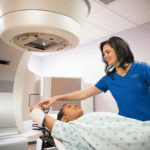
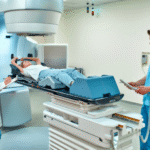
Fatigue is one of the most common and challenging side effects of radiation therapy. It’s a persistent sense of tiredness that doesn’t improve with rest and can make daily tasks feel overwhelming. While fatigue can vary in intensity, it’s important to understand that it’s a normal part of cancer treatment. The good news is that there are several simple daily habits that can help manage fatigue and improve your quality of life during radiation therapy.
Why Does Radiation Therapy Cause Fatigue?
Radiation therapy works by targeting and destroying cancer cells. However, it can also damage healthy cells in the process, especially those in the area being treated. This can lead to feelings of extreme tiredness. Additionally, radiation can affect the body’s ability to produce red blood cells, which are responsible for carrying oxygen to the tissues. Without enough oxygen, the body may feel more exhausted.
Fatigue can also result from emotional stress, anxiety, and the physical toll of cancer treatment. Understanding the causes of fatigue can help you manage it more effectively.
Simple Habits to Manage Fatigue During Radiation Therapy
1. Take Short, Frequent Rest Breaks
Instead of lying in bed all day, try to take short, frequent breaks throughout the day. This can prevent you from feeling sluggish and can help you maintain energy. For example, sit down for 10-15 minutes every hour to rest and recharge.
2. Get Active (When Possible)
It may seem counterintuitive, but light physical activity can actually help reduce fatigue. Short walks, gentle stretching, or yoga can help keep your body moving and boost energy levels. Aim for low-impact activities that don’t overly tax your energy. Speak with your healthcare provider before starting any new activity.
3. Prioritize Sleep and Rest
Quality sleep is crucial for managing fatigue. Aim for 7-9 hours of sleep each night, and take naps when needed. To improve the quality of your sleep:
- Create a relaxing bedtime routine.
- Keep your bedroom cool, quiet, and dark.
- Avoid caffeine or heavy meals close to bedtime.
If sleep problems persist, talk to your healthcare team. Sometimes, medications or strategies like guided relaxation techniques can improve sleep.
4. Eat Small, Balanced Meals
Cancer treatment and fatigue can make eating seem like a chore. However, small, frequent meals throughout the day can help keep your energy levels up. Focus on:
- High-protein foods like chicken, eggs, or tofu
- Complex carbohydrates like whole grains and sweet potatoes
- Fruits and vegetables for vitamins and minerals
Staying hydrated is also important for combating fatigue. Drink plenty of water or electrolyte-rich drinks throughout the day.
5. Manage Stress and Anxiety
Stress and anxiety can make fatigue worse, so it’s important to find ways to relax and unwind. Consider trying:
- Deep breathing exercises
- Meditation or mindfulness to calm the mind
- Journaling to express emotions
- Guided relaxation or gentle stretching to relieve tension
You can also try progressive muscle relaxation, where you slowly tense and then release different muscle groups to reduce stress.
6. Stay Connected
Cancer treatment can sometimes lead to feelings of isolation. Stay connected with loved ones, friends, or support groups. Social interaction can help lift your spirits and provide emotional support, which can reduce the mental strain that often accompanies fatigue.
When to Talk to Your Doctor
While fatigue is a normal side effect of radiation therapy, it’s important to discuss it with your healthcare team if it becomes overwhelming. If fatigue doesn’t improve with rest or if it worsens over time, it could be a sign of anemia, nutritional deficiencies, or other conditions that need attention. Your doctor may recommend blood tests, dietary adjustments, or medications to help manage fatigue more effectively.
Key Takeaways
- Fatigue during radiation therapy is common and can be managed with the right habits.
- Short breaks, light exercise, and balanced meals can help maintain energy levels.
- Focus on quality sleep and stress management to reduce the impact of fatigue.
- Stay connected with others to lift your mood and provide emotional support.