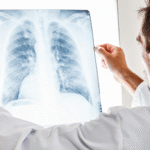
Cancer often develops without obvious symptoms, which is why early detection is crucial. This blog highlights the early warning signs of cancer that many people ignore, and why paying attention to them could save your life.
Common Early Warning Signs of Cancer:
- Unexplained Weight Loss: Losing weight without trying can be an early sign of several types of cancer, including stomach, pancreas, and esophageal cancers.
- Changes in Skin or Moles: If you notice changes in a mole, such as growth, color change, or irregular edges, it could be a sign of skin cancer.
- Persistent Fatigue: Feeling unusually tired all the time, even after resting, can be an early sign of blood cancers like leukemia or lymphoma.
- Unexplained Pain: Persistent, unexplained pain in the back, head, or other parts of the body can be linked to cancer.
- Changes in Bowel or Bladder Habits: Blood in the stool, frequent urination, or pain during urination may indicate colorectal or bladder cancer.
What You Should Do:
- Don’t Ignore Symptoms: If any of these warning signs persist for more than a few weeks, consult your doctor immediately.
- Early Detection Saves Lives: Regular check-ups and screenings can help catch cancer in its early, most treatable stages.
Key Takeaways:
- Unexplained weight loss, changes in skin, and persistent pain could be signs of cancer.
- Early detection of cancer significantly improves treatment outcomes.
- Regular screenings and check-ups are important for detecting cancer early.
- Don’t wait for symptoms to go away—consult your doctor right away.
- Pay attention to your body and take any unusual signs seriously.
Disclaimer: Always consult with your healthcare provider if you notice any unusual or persistent symptoms.