Every year, lung cancer claims more lives than any other cancer in the United States — more than breast, colon, and prostate cancers combined.
Yet here’s the surprising part: when detected early, lung cancer can often be treated successfully.
The challenge? Most people don’t notice symptoms until the disease has already advanced.
That’s why understanding the early warning signs and risk factors can literally save lives.
What Is Lung Cancer, Exactly?
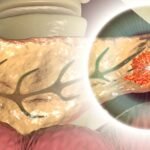
Lung cancer begins when abnormal cells in the lungs start growing out of control. Over time, these cells form tumors that interfere with breathing and can spread (metastasize) to other parts of the body — including the brain, liver, and bones.
The two main types are:
- Non–Small Cell Lung Cancer (NSCLC): About 85% of cases. Often slower-growing and more common.
- Small Cell Lung Cancer (SCLC): More aggressive and usually linked to heavy smoking.
Even though smoking remains the top risk factor, non-smokers can and do get lung cancer — especially due to secondhand smoke, air pollution, or exposure to substances like radon or asbestos.
5 Early Signs You Shouldn’t Ignore
Here’s the tricky part: the early symptoms of lung cancer can look a lot like a lingering cold, asthma, or even allergies. But if these signs hang around or get worse, it’s time to pay attention.
1. A Cough That Won’t Quit
Most people shrug off a cough. But a persistent one — lasting more than 3 weeks — deserves a checkup.
If it’s deeper, hoarser, or simply feels “different” than usual, don’t ignore it.
2. Coughing Up Blood (Even a Little)
It doesn’t take much — even small streaks of blood in mucus are a red flag that something serious could be going on.
3. Shortness of Breath or Wheezing
Feeling winded after simple activities (like walking up stairs or doing light chores) might signal that something is obstructing the airways.
4. Chest Pain That Worsens When You Breathe or Cough
Pain that’s dull, sharp, or constant — especially if it worsens with deep breaths — could mean the cancer is affecting the chest wall or lining of the lungs.
5. Unexplained Weight Loss and Fatigue
Losing weight without trying or feeling exhausted even after rest is often one of the earliest (and easiest to overlook) signs of many cancers, including lung cancer.
Worth remembering: Symptoms can be subtle. If they persist or feel unusual for your body, schedule a visit with your doctor. Early scans can make all the difference.
Who’s at Higher Risk?
Lung cancer doesn’t discriminate, but some factors raise your risk more than others:
- Smoking: The leading cause of lung cancer. Risk increases with the number of cigarettes and years smoked.
- Secondhand smoke: Living or working around smokers increases risk significantly.
- Radon exposure: This odorless gas can seep into homes from the ground — the second leading cause in non-smokers.
- Air pollution: Long-term exposure to polluted air can harm lung tissue.
- Family history: Having a parent or sibling with lung cancer slightly raises your chances.
- Workplace toxins: Asbestos, arsenic, and diesel exhaust are well-known culprits.
The good news? Quitting smoking at any age reduces your risk, even if you’ve smoked for decades.
How Doctors Detect It Early
Routine screening is key, especially if you’re 50 or older and have a history of smoking.
Doctors often recommend a low-dose CT (LDCT) scan — a painless imaging test that can catch tumors long before symptoms appear.
According to the American Cancer Society, screening can reduce the risk of dying from lung cancer by up to 20% for people at high risk.
Here’s the good news: More people are surviving lung cancer than ever before, thanks to early detection and new targeted treatments.
Modern Treatment Options
Treatment depends on the type and stage of cancer, but advances in recent years have given patients more hope than ever.
- Surgery: Removes part or all of the affected lung if the cancer is caught early.
- Radiation Therapy: Uses high-energy beams to destroy cancer cells.
- Chemotherapy: Kills rapidly dividing cells throughout the body.
- Targeted Therapy: Attacks specific mutations in cancer cells, often with fewer side effects.
- Immunotherapy: Helps your immune system recognize and fight cancer cells.
Doctors now often combine these approaches to tailor treatment to each patient — a growing trend known as personalized cancer care.
When to See Your Doctor
If you’ve had a cough lasting longer than three weeks, notice blood in your sputum, or feel unusually short of breath — don’t wait it out.
A simple scan can be the difference between catching cancer early or too late.
Even if you’ve never smoked, staying alert to symptoms and discussing your risk factors with a healthcare provider is one of the smartest moves you can make.
Key Takeaways
- Lung cancer often hides behind symptoms that seem harmless — don’t brush them off.
- Early detection through low-dose CT scans saves lives.
- Smoking, secondhand smoke, and radon exposure are leading risk factors.
- Newer treatments like immunotherapy and targeted therapy are changing survival outcomes.
- Listening to your body and acting early gives you the best chance for recovery.